
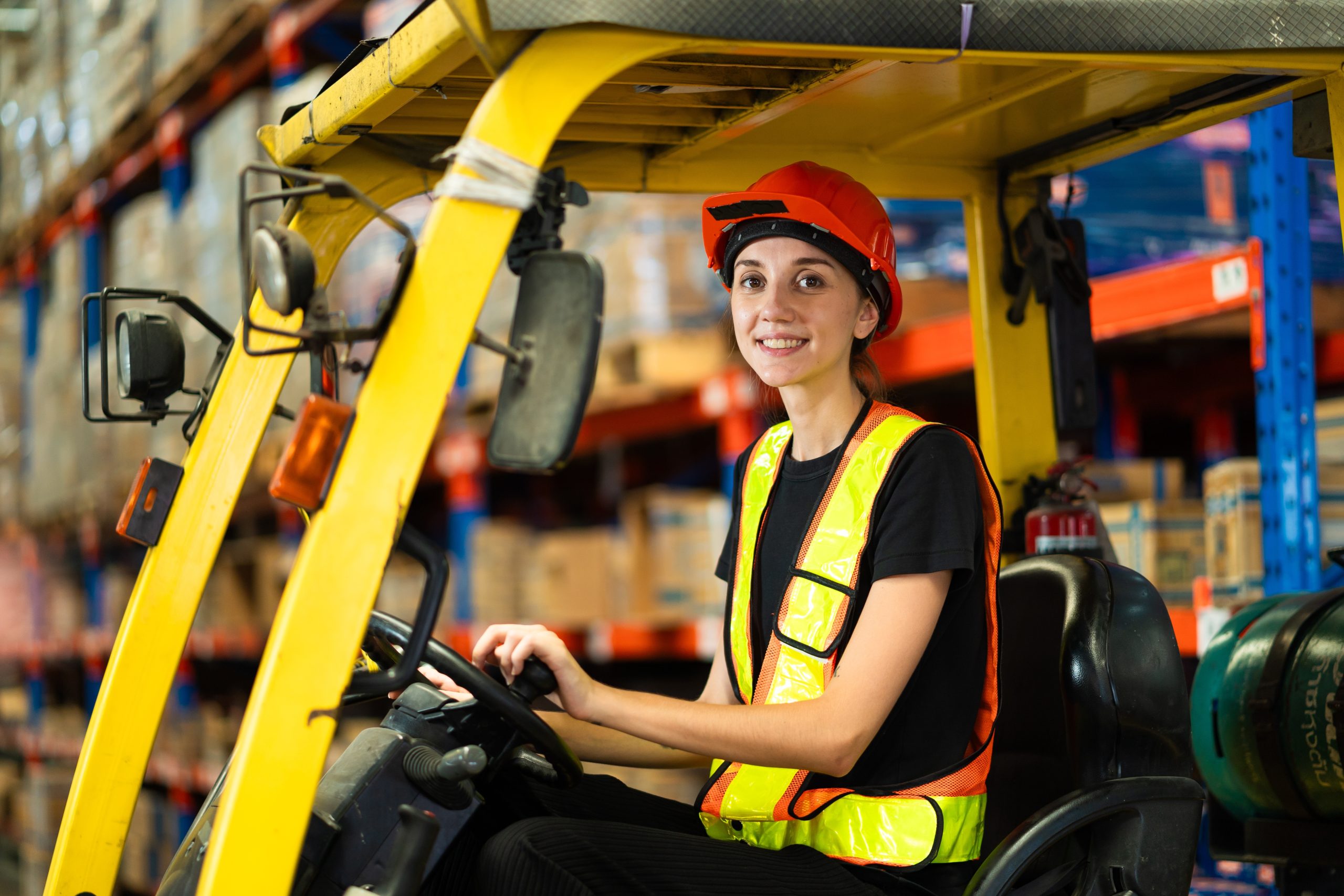
Forklifts are the workhorses of Aotearoa’s supply chains, but they’re also a leading cause of serious harm. In the latest F+B Tech article, our Data and Innovation Manager Wes van Deventer explains how forklift safety reflects leadership and shares practical, proven steps to make safety second nature on your site.
As the workhorses of New Zealand’s supply chains, forklifts shift the goods that keep the country moving, but they also carry real risk.
Every year, on average 1,195 kaimahi/workers are injured in forklift incidents and some ACC claims (ave. 1,157) can take months or years to resolve, with the worst cases ending in tragedy.
These aren’t abstract numbers, they’re people, whānau, and workplaces dealing with harm that’s often preventable.
Fortunately, with the right systems, training and everyday habits, forklift safety becomes second nature, supporting productivity and wellbeing rather than becoming a barrier.
Forklifts = high-risk
A typical two-tonne forklift can weigh more than double that with a full load. That’s a lot of mass moving through tight spaces, often close to pedestrians, racking, vehicles and blind corners.
Although forklifts are compact and nimble, which suits cramped aisles, stability can often be compromised, especially when turning, travelling with the mast raised, or handling uneven or poorly stacked loads. Collisions, tip-overs, falling loads and exhaust exposure (for fuel-powered units operating indoors) are well-known risks across the country.
Leadership sets the tone
In our experience, forklift safety is often a mirror of business culture. When businesses invest in maintenance, insist on checks, resource training and listen to kaimahi, people respond with care, attention and accountability. It’s important not to avoid hard conversations, but focus on having them with respect and clarity: “This matters because you matter.”
Make the safe thing the easy thing by recognising and removing the friction that nudges people into risk in the first place, including unrealistic pick-rates, congested aisles, poor lighting, or paperwork that takes longer than the check itself.
What good practice could look like
- Training and competency. A licence or NZQA unit standard is a good starting point, but site-specific induction, regular refreshers and practical assessments keep skills current and relevant. If your operation includes attachments, ramps, rough terrain or confined areas, training needs to reflect those realities. Make it plain-language, culturally inclusive and anchored to the actual tasks people perform.
- Pre-operational checks. A short, thorough inspection at the start of every shift could prevent long, painful incidents. Tyres, brakes, hydraulics, forks, chains, alarms, seatbelts, lights and any attachments should be checked before the key turns for work. If something fails the check, tag it out and report it, no exceptions.
- Safe operating habits. Care should beat urgency every time. Travel with loads low and slightly tilted back, and keep speeds sensible, especially near people or at intersections. Your team should always use the seatbelt and stay fully within the cab. Never ride the forks, lift passengers, or improvise with pallets as platforms. Face the direction of travel, use the horn at blind spots, and adjust for conditions, wet floors, gradients, tight aisles, glare or noise.
- Fit-for-purpose equipment. Match the machine to the task, load type and weight, aisle width, racking height, indoor versus outdoor use, gradients, and environmental factors like dust, noise and fumes. If you’re handling awkward or unstable loads, use rated attachments, clamps, rotators, jibs and make sure they’re installed and certified correctly. Your training should cover those attachments specifically, as they can be different for each machine.
- Traffic management. The single most effective control is separation. Where possible, physically segregate forklift routes from pedestrian walkways using clear line-marking, solid barriers, mirrors and lighting. You should also establish “no-go” zones around docking areas and high-risk movements like reversing or turning with elevated loads. Treat your traffic plan as a living system, updating it when layouts change, volumes spike or new risks appear, and making sure everyone from visitors to managers knows how to move through the site safely.
- Human factors. Fatigue, stress, hydration, temperature, noise and visibility all affect safe performance so make sure to provide adequate rest breaks and water. Keep cabins clean, seats supportive and adjusted, and filters maintained to reduce dust and fumes. Adequate lighting reduces mistakes, but good supervision reduces corners being cut. Operators should feel safe to speak up about discomfort, near misses and design flaws as this is how you learn before harm occurs.
Getting started or getting better
If you’re unsure where to start, walk the floor and watch how people and machines actually move, not how the site plan says they should. Talk to operators about pinch points, blind spots and process pressure and fix a few small, visible issues as you go to set the tone. It can be as simple as replacing a torn seatbelt, adding a mirror at a blind corner or repainting worn lines, and then you can build from there. Tighten your pre-start process, refresh training, review attachments, update the traffic plan and repeat regularly.
Both WorkSafe NZ and the New Zealand Forklift Industry Association publish practical guidance around forklift safety. At ShopCare, we know health and safety isn’t about chasing perfection – it’s about making steady, practical improvements that reflect the realities of your workplace. As a charitable trust tasked with transforming health, safety and wellbeing outcomes for retail and its supply chain workers, you’ll find resources, tools and case studies on our website – all freely available thanks to our funding from ACC.
With the right systems in place and a culture of care, forklifts can be both highly productive and safe. The key is to consistently weave safety into everyday practice.